The most dangerous aligner mistake is usually the one you can't see

Updated: Oct 15
You probably know the feeling.
It's after 6 p.m.
The last patient has left. The phone has finally stopped ringing. You're sitting alone with the last clear aligner setup of the day.
It looks... fine.
The teeth finish in the right place. The timeline seems realistic. You could approve it in 30 seconds.
But you don't.
Something feels off.
You can't quite put your finger on it. Maybe it's an incisor. Maybe the anchorage. Maybe it's just a feeling that this case will be harder than the screen makes it look.
Then the question creeps in, one most dentists know all too well.
"Am I overthinking this?"
Or perhaps the worse one:
"Am I simply missing something?"
That's exactly where most aligner problems begin. From both lack of knowledge and from making the decision alone.
Your hesitation isn't the problem
That brief pause is actually one of your greatest clinical strengths.
It's your experience telling you the plan may look simpler on the screen than it will be in the patient's mouth.
The problem is that, most of the time, there's no experienced colleague sitting beside you.
So you do what most dentists do.
You approve it.
It's late, you're tired, and there's still a life waiting for you outside the practice.
It's a decision almost every practice owner recognises. In general dentists are remarkably good at solving complex clinical problems. We're considerably less impressive at making perfect decisions after nine hours of treating patients. Evolution, rather unhelpfully, never optimised us for treatment planning at 6:30 on a Tuesday evening.
The risk rarely shows up in the final result
Two setups can look almost identical.
One finishes exactly as planned. The other turns into multiple refinements, extra appointments, and a patient who gradually loses confidence.
The difference usually comes down to the biology, the staging, the anchorage. Movements that look perfectly reasonable on a screen but ask more of biology than biology is able to give in return.
Those are the things an experienced dentist or orthodontist notices first.
Why a second clinician changes everything
When another dentist reviews the case with you, the conversation is about whether the teeth are realistically going to get where the plan says.
Is this movement predictable? Where is the case most vulnerable? What can be changed now, while it costs nothing, instead of four months from now when the patient is sitting in your chair?... and you have performed unnecessary IPR or moved teeth outside the cortical bone.
You're still the treating dentist. You still make every clinical decision. You simply don't have to make them alone.
This is where predictability starts
At AlignerService, Helle Hatt has co-planned more than 28,000 aligner cases across seven global aligner systems.
The important part isn't the number, it's what that experience lets you see.
The risks that most people only discover once treatment has already started. The refinement that never becomes necessary. The extra appointment that never needs to be booked. The Tuesday afternoon that isn't consumed by problems that could have been prevented months earlier.
The best treatment plans are often the ones that never create a problem worth talking about.
If you hesitate, there's usually a reason
The next time you're looking at a setup that "looks fine" but still makes you pause for a moment, don't ignore that feeling.
It doesn't necessarily mean the plan is wrong. More often, it means you're missing something most dentists have never had: an experienced colleague reviewing the plan with you before you press Approve.
Free Aligner Risk Check
If you have a case you're unsure about, we'd be happy to review it with you.
No obligation. No sales pitch.
Just an honest clinical assessment of where the plan looks solid, where it carries risk, and what can be improved before treatment begins.
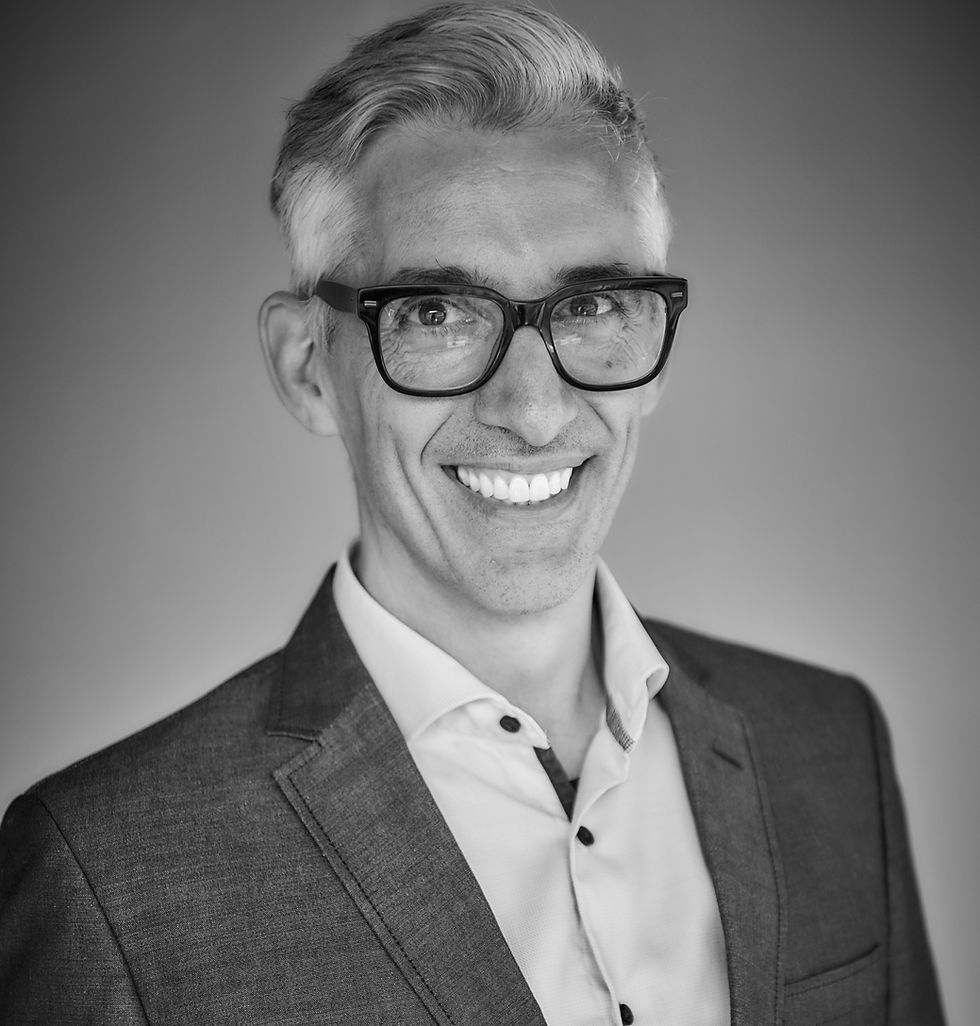
Kind regards
Jesper Hatt DDS
P: +41 78 268 00 78
Sign up for the blog for more insights, free tips, and tricks on clear aligner treatments.
AlignerService
AlignerService is a clinical risk management and decision-support partner for dentists working with clear aligner therapy.
We help dentists build realistic, safe and predictable aligner treatments by focusing on what happens before problems arise: diagnostics, case selection, biomechanics and treatment planning. Our work is structured around the AlignerService Risk Management System™, designed to reduce revisions, chair time and late-stage complications.
More than 2,500 dental practices across 23 countries use AlignerService as an ongoing clinical partner. All support is provided asynchronously and in writing by experienced dentists and orthodontists, ensuring continuity, documentation and clinical accountability.
We support dentists working with multiple clear aligner systems, including Invisalign, SureSmile, ClearCorrect, TrioClear, Angel Aligners, Clarity and Spark. AlignerService operates independently of aligner manufacturers, allowing us to focus solely on clinical decision-making and risk reduction.
